Radon and MN Home Buying: What Should Happen Before Closing?
MN Home Buyers Connection
October 1, 2026
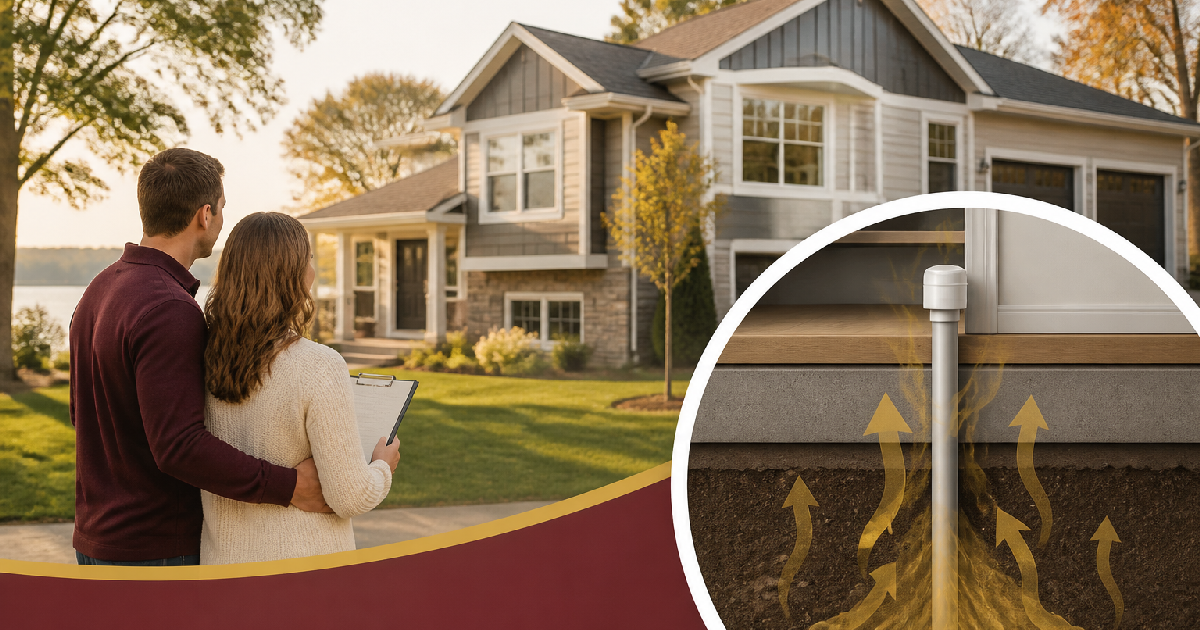
Buying a home in Minnesota involves a lot of moving parts. One of the most common topics that comes up right after your offer is accepted is radon. Radon is a naturally occurring, colorless, and odorless radioactive gas found in soil. Because of the local soil composition and cold climate, Minnesota sees higher levels of radon than the national average. The Minnesota Department of Health reports that about two in five homes in the state have elevated radon levels.
While that statistic might sound intimidating, dealing with radon is a highly routine part of the Minnesota home buying process. Under the Minnesota Radon Awareness Act, specific disclosures and consumer education must be provided to buyers before a purchase agreement is signed. It is a completely manageable issue when you know what to look for and how to handle it before closing day.
Minnesota Seller Disclosures vs. Required Fixes
There is a distinct difference between what a seller must tell you and what they are obligated to fix. Under state law, a seller must provide a Minnesota Department of Health radon disclosure. This document outlines whether the seller has ever tested the property for radon, what the results were, and if a mitigation system is currently installed and working. You can review the details of these requirements in this resource on radon disclosures in Minnesota real estate.
However, sellers are not legally required to conduct a new test before selling. They are also not legally required to install a mitigation system if elevated levels are found. The responsibility to discover current radon levels falls on the buyer. According to state guidelines, radon testing and mitigation are not legally required during real estate transactions, meaning the responsibility for testing and any subsequent negotiations falls on the buyer.
When to Schedule a Radon Test
The best time to initiate a radon test Minnesota home purchase is during your inspection contingency period. This window typically lasts between five and ten days after your purchase agreement is signed.
Testing during the winter or early spring is actually an advantage. Minnesota's long heating season is the perfect time for radon testing. When homes are sealed tightly against the cold and furnaces are running, buildings naturally draw more gases from the soil. Testing during this time provides a very accurate picture of your potential wintertime exposure.
Working with Licensed Professionals
When you schedule a standard home inspection Minnesota buyers should also request a professional radon test. You want to make sure the person conducting the test is properly credentialed.
While DIY test kits are available for general homeowners, the Minnesota Department of Health recommends hiring a licensed professional when an unbiased, third-party test is needed for a real estate transaction. The state requires any professional performing radon testing or installing mitigation systems in homes they do not own to be licensed. Relying on a licensed expert ensures the testing equipment is calibrated correctly and placed in the right location within the home.
Handling Radon Mitigation Negotiation
If your test results come back at or above 4.0 picocuries per liter (pCi/L), the health department recommends taking action to lower it. This is not a reason to cancel your purchase. Radon mitigation systems are highly effective and relatively affordable to install.
This is where radon mitigation negotiation begins. When you submit your initial offer, you can include specific contingencies. As explained in the Minnesota Attorney General's Home Sellers Handbook, home inspections and repair requirements are common contingencies that buyers use to protect themselves. If high radon levels are uncovered, you have a few options to discuss with your real estate agent:
- Ask the seller to hire a licensed professional to install a mitigation system before closing.
- Ask the seller for a credit toward your closing costs so you can install the system yourself after you move in.
- Accept the home as-is and pay for the mitigation out of pocket.
Many buyers prefer taking a closing cost credit. This allows you to choose your own licensed contractor and have full control over