
Sewer Line Is Your Responsibility—Even Under the Street
MN Home Buyers Connection
October 28, 2026
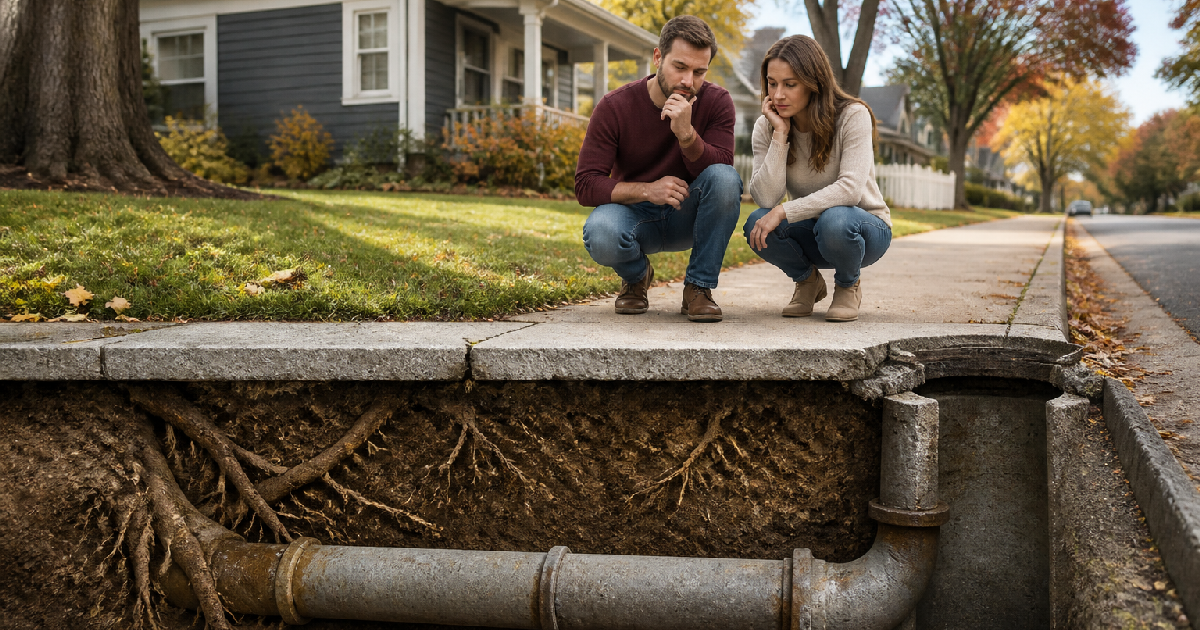
Most homebuyers assume the city takes over maintenance once a property's sewer pipe crosses the sidewalk. According to Minneapolis Public Works, your financial obligation stretches much further. Your private sanitary sewer lateral belongs to you all the way from your basement to the point where it connects to the city main. That connection often sits right in the middle of the street.
If that pipe breaks under the public right-of-way, you pay for the repair. You also pay to dig up the street and patch the pavement afterward. For buyers looking at the classic century-old homes common in the Twin Cities, understanding your Minneapolis sewer line responsibility is a critical step in avoiding surprise expenses that can derail your financial plans.
Where Your Private Sewer Lateral Actually Ends
The pipe carrying wastewater away from your home is called a private sewer lateral. Minneapolis Public Works treats this entire length of pipe as the homeowner's property. The city maintains the large main lines running down the street, but the connection from your house to that main is entirely on your shoulders.
This setup often surprises local buyers who do not realize the extent of their ownership. Even in neighboring Twin Cities communities, homeowners face the same reality when they realize they must pay for repairs to the main sewer line under the city street.
Older Minneapolis properties frequently feature clay tile sewer lines. Over decades, ground shifting and tree roots cause these clay pipes to crack, separate, or collapse entirely. This is a common issue throughout older Minnesota neighborhoods, where homeowners often deal with the sudden collapse of clay pipes dating back to the early 1900s right at the main street connection. If a blockage or break occurs beneath the street, the city will not fix it for you. You must hire a licensed contractor to excavate, replace the pipe, and restore the public street to city standards.
Why a Sewer Scope is a Crucial Part of a Minneapolis Home Inspection
Standard home inspections evaluate the visible plumbing inside the house. They do not look underground. When you schedule your Minneapolis home inspection, always add a dedicated sewer scope to the process.
During a scope, a technician pushes a specialized camera down the cleanout drain in the basement and records a video of the pipe all the way to the city main. This reveals root intrusions, low spots holding water, and structural cracks. Finding a collapsed line before you close on a house gives you the leverage to negotiate repairs or a price reduction, saving you thousands at closing.
Warning Signs and Potential Repair Costs
If you currently own a home, watch for early warning signs of lateral failure. Frequent backups in your lowest drains, gurgling sounds from toilets, or sudden soft depressions in your front yard indicate a problem underground.
If you experience a sudden backup, it is wise to contact your local utility department first. In communities like Shoreview, Minnesota, the city utility division can inspect the area to see if the backup is in the main sewer line, which is the city's responsibility to clear. This quick check can save you from paying for an unnecessary private contractor visit.
However, if the issue is inside your private line, repair costs vary widely based on the location of the break. Fixing a section of pipe under your front lawn might cost a few thousand dollars. If a contractor has to tear up a concrete sidewalk or a paved public street to reach the connection point, costs can quickly escalate. Homeowners are often responsible for the entire project, including the costs to excavate the parkway and install new pipe beneath the road surface.
City Resources for Minneapolis Homeowners
A major sewer repair is daunting, but the city offers mechanisms to help manage the financial impact. The Private Sewer Lateral Assessment Program allows eligible property owners to add the cost of a sewer repair to their property taxes. Instead of paying a contractor a lump sum out of pocket, the cost is assessed over a period of years.
Additionally, the city occasionally funds a Private Sewer Lateral Grant program to assist homeowners with unexpected repair costs. Funding and eligibility requirements for this grant change based on the city budget. It is always worth checking current availability through the city website, though you should never guarantee a home purchase on the assumption that grant money will cover a broken pipe.
Check for Existing Assessments Before Closing
One of the most valuable home buying tips Minneapolis experts share is to check the property for pending or levied assessments before you finalize your purchase. If the previous owner used the city assessment program to fix the sewer, that balance remains attached to the property taxes. A thorough title search and a check with the city will reveal if you are about to inherit someone else's repair bill. A knowledgeable local professional will help you navigate this during the purchase process.
Frequently Asked Questions
What is a private sewer lateral?
It is the pipe that transports wastewater from your home's plumbing system to the public sewer main in the street. In Minneapolis, the homeowner owns and maintains the entire length of this pipe.
Can a standard home inspector check my sewer line?
Usually, no. A standard Minneapolis home inspection covers visible systems. You need a specialized sewer scope, which involves running a camera down the pipe, to assess the condition of your underground lateral.
Will homeowner's insurance cover a broken sewer line under the street?
Standard policies typically do not cover wear and tear on underground service lines. However, you can often add specific service line coverage to your policy for a small premium. Ask your insurance agent about this endorsement.
How do I know where the city main is located?
Minneapolis Public Works maintains records of utility lines. Most mains run down the center of the street or through designated alleys, meaning your lateral likely extends well beyond your property line.
Next Steps for Your Home Purchase
Navigating older homes and local regulations requires guidance from professionals who know the local landscape. You need an inspector who knows to look for clay pipes and a loan officer who understands how to structure your financing to protect your savings.
Connecting with local experts ensures you get the right advice for your specific situation. Visit MN Home Buyers Connection to complete a brief survey. We will match you with Minneapolis professionals who can help you secure down payment assistance, navigate property inspections, and achieve a financially favorable outcome on your new home.